
Finding an auto parts wholesaler in China starts with a search. Choosing one you can work with consistently takes a closer look at the products, specifications, and communication behind the quotation.
For importers, distributors, and accessory shops sourcing 4×4 accessories and pickup parts, a useful supplier should be able to explain exactly what is being supplied, which vehicles it fits, and how the order will be checked before shipment.
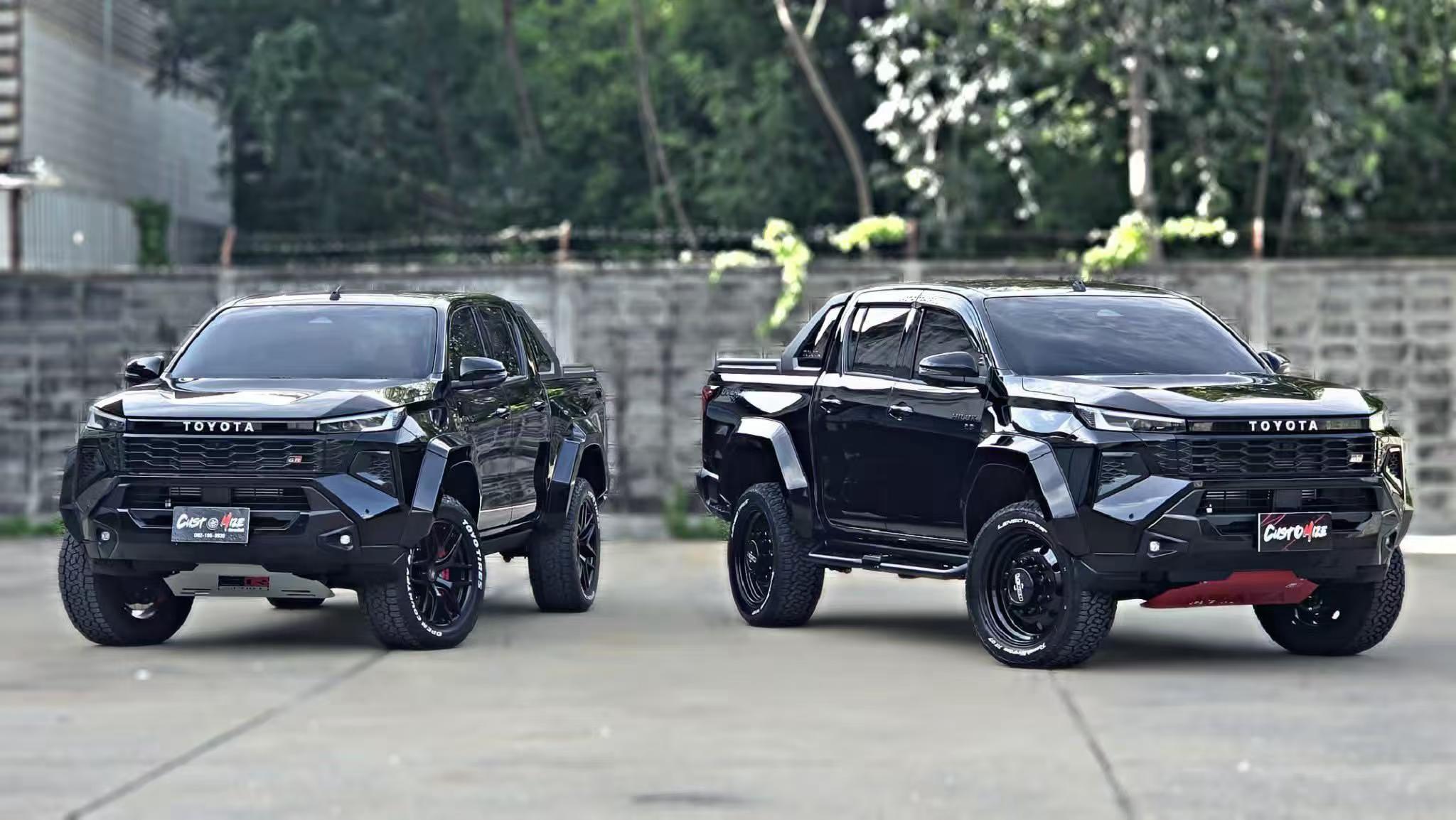
At Shanghai T-MAX Auto Co., Ltd., our product discussions cover accessories such as pickup running boards, roll bars, front-end conversion kits, and grilles. These categories illustrate why detailed product information matters when evaluating a supplier.
1. Look for Experience With Your Product Category
Start with suppliers whose product range matches your business. A catalogue focused on engine components requires different expertise from one covering exterior pickup accessories.
For 4×4 accessories, look for product information that addresses installation and vehicle configuration. A supplier discussing running boards should be able to explain the board construction, mounting brackets, and available material options. For a front-end conversion kit, the discussion should cover the included components and the intended vehicle version.
Ask for examples within the category you actually intend to buy. A few clearly documented products can tell you more than hundreds of unlabelled catalogue images.
2. Verify the Business Behind the Quotation
Before placing an order, request the supplier’s registered company name, business licence, business address, and contact details.
Check that the company information is consistent across the quotation, pro forma invoice, and payment instructions. If a different company receives payment or handles exports, ask for a written explanation of that relationship.
It is also worth understanding how the supplier operates. Ask whether it manufactures the product, develops it with a production partner, or sources it from another factory. This helps clarify who handles specification changes, inspections, and quality issues.
3. Confirm Fitment Beyond the Model Name
A listing that says “fits Hilux” leaves several questions open.
Depending on the part, the relevant details may include:
- Model year and vehicle generation
- Sales market and trim level
- 4×4 or 4×2 configuration
- Cab type and bed length
- Existing lights, cameras, sensors, and connectors
- Mounting brackets and installation hardware
For example, when discussing a Hilux Revo front bumper, check whether the kit is intended for the relevant 4×4 or 4×2 version. The bumper configuration can differ, so the model name alone may leave room for a mismatch.
For a grille, request clear photos of the front, rear, mounting points, and any camera or sensor provisions. Include photos of the intended vehicle when confirming compatibility.
4. Put Material and Construction Details in Writing
Terms such as “premium,” “heavy-duty,” or “carbon style” leave the actual specification unclear.
Request details that can be checked against a sample or finished order. Depending on the product, these might include material type, material grade, thickness, surface finish, dimensions, and the components supplied.
A running board specification should identify which component a thickness measurement refers to. The base plate, mounting bracket, and stepping surface are separate parts of the assembly.
For a carbon-finish component, clarify whether the specification describes a printed pattern, a genuine carbon fibre surface layer, or a structural carbon fibre component.
Recording these details gives both buyer and supplier a clear reference throughout production.
5. Evaluate a Sample Before Expanding the Order
For a new supplier or product, a sample order provides an opportunity to assess the item directly.
Review the finish, dimensions, assembly, included hardware, and packaging. Where practical, arrange a trial installation on the intended vehicle and document the result.
For pickup accessories, useful checks include:
- Whether mounting points and brackets align
- Whether all agreed hardware is included
- Whether adjacent components have adequate clearance
- Whether supplied electrical functions operate as agreed
- Whether the installation instructions match the product
Keep photos and a written record of the approved sample. If any changes are needed, confirm them before approving the bulk order.
6. Compare Quotations on the Same Basis
A price comparison becomes more useful when each supplier is quoting the same specification and scope.
Check whether the quoted price includes brackets, fasteners, lights, wiring, trim pieces, or other accessories shown in the product photos. Also confirm the packaging, minimum order quantity, production lead time, and delivery terms.
For larger pickup parts, carton dimensions and packing arrangements deserve attention. Request packed dimensions and gross weight when reviewing shipping costs.
A clear comparison should show what you will receive, how it will be packed, and which costs are included.
7. Agree on Inspection and After-Sales Handling
Before production begins, decide how the completed order will be checked. The inspection should refer to the approved specification and sample.
For a mixed order, confirm quantities and labels by SKU. For appearance parts, agree on the finish and visible defects that require correction. If third-party inspection is part of your purchasing process, discuss access and timing before the shipment is ready.
After-sales arrangements should also be documented. Clarify what evidence is needed to report a problem, who reviews the claim, and how an accepted issue will be resolved.
These discussions help both sides handle problems with a shared understanding of the order.
Working With Shanghai T-MAX Auto Co., Ltd.
When discussing 4×4 accessories and pickup parts with Shanghai T-MAX Auto Co., Ltd., the product configuration is a practical starting point.
Our range includes Hilux Revo running boards with base plate material and thickness options, roll bars that can be customized from customer drawings with optional LED lights, and exterior upgrade products such as front-end conversion kits and grilles.
For each project, the relevant vehicle version, material requirements, included components, and installation details should be confirmed together. This creates a clearer basis for sample evaluation and quotation comparison.
A reliable sourcing relationship develops through accurate specifications, consistent communication, and products that match the agreed order. Taking time to establish those details makes future purchasing decisions easier.